
How Finance Can Help First-Gen Farmers Build Their Legacy
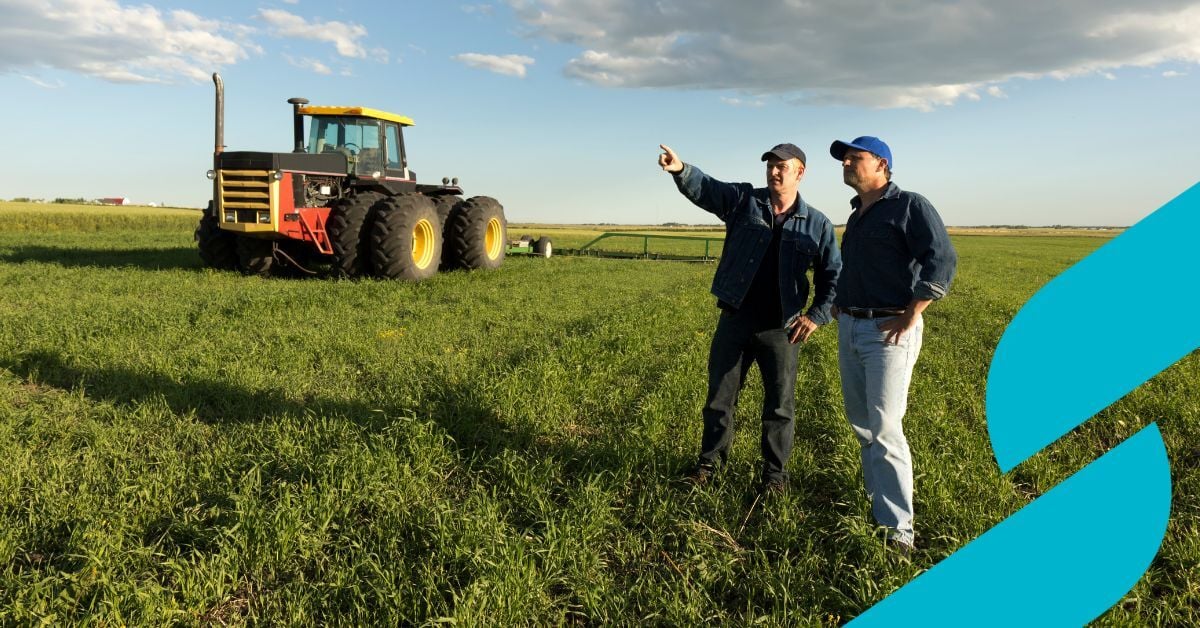
The UK countryside is changing, and so are the people farming it.
Across the UK, a new generation of first-time farmers is taking the reins. They might not come from generations of landowners. They might not have a farmhouse passed down through the family. But what they do have is ambition and the determination to build something of their own.
Unfortunately, for many of these new farmers, access to the assets they need to match this determination remains out of reach. This isn’t because they lack ideas, but because they don’t have the long trading history or significant collateral that traditional lenders expect (through no fault of their own).
Sector-aware, flexible finance can make the difference for these young farmers. This isn’t about handouts. It’s about giving ambitious farmers a fair start.
The Rise of First-Generation Farmers
First-generation farmers are starting to establish themselves and are passionate about reshaping what the industry looks like.
Their routes to becoming farmers are varied. Some are simply trained agronomists or have experience on farms, be that through employment or because of familial connections. Others have taken over tenancies, leased land, or formed cooperative ventures.
They are also part of a digital first generation. For instance, they’re not afraid to adopt cutting-edge agri-tech to make farming more efficient, and many also tie their farm work to strong environmental beliefs.
But most crucially, they’re building their businesses from scratch. And as any business the owner will tell you that it’s hard enough without barriers being put in place.
Traditional finance doesn’t make it easy. Bank managers often require a great amount of information, often stretching back years, in order to feel comfortable providing loans of financial solutions. Information about trading or existing equity is non-negotiable for legacy finance firms, but for new farmers, they’ve simply not had the time to accrue this.
So how can you grow a farm if the tools you need are out of reach because you’re not an old enough institution?
The Common Challenges First-Gen Farmers Face
Typically, first-generation farmers face three main barriers to finance:
- Lack of trading history: You might be running your farm brilliantly, but if you’ve only got one or two years under your belt, most traditional lenders will consider you high risk.
- Limited collateral: Without owned land or high-value assets to offer as security, many first-time applicants fail to apply for finance right from the start.
- Bank bias: Whether it's a box-ticking exercise or an assumption about experience, many new farmers simply feel overlooked by mainstream finance providers.
And when your margins are tight, time is short, and opportunities are fleeting, so being told to “come back next year” just doesn’t cut it.
Got the plan, not the capital? We can help. Speak to our team.
Finance as an Equaliser
Here’s where the right finance partner can help you avoid bias or the lack of collateral you own.
At Shire Leasing, we look at where you’re going rather than what you’ve accumulated.
We’ve supported many first-generation farmers across the UK by providing asset finance that reflects their situation and ambitions. We aim to support young farmers with clear visions by helping them access asset finance solutions that are practical and aligned with how their farms are developing.
The difference with asset finance is that the agreement is primarily supported by the asset itself, rather than by property or long trading histories. So if you’re investing in livestock handling equipment, tractors, feed systems, or new technology, the value and suitability of that equipment plays a central role in the lending decision, alongside the wider structure and circumstances of the farm.
Securing risk against the asset means that first-time farmers with sound plans can move forward without needing to wait ten years to build up capital.
Example: A Young Farmer Investing in Livestock Handling
Picture a young beef farmer who has just taken on a tenancy after years of managing stock for other farms. He’s secured a contract to supply a local butcher with native-breed beef, but doesn’t have the facilities to handle animals efficiently or safely.
A traditional lender isn’t interested, and the beef farmer has no ownership of land or trading history, meaning a deal is near impossible.
This beef farmer then heads to a company like Shire, who take a different approach. He has secured a buyer and has the experience. And obviously, he had a clear need: a mobile livestock handling system, crush, and weight scale to meet his welfare and efficiency goals.
By structuring the lease around the value of the assets and aligning repayments to seasonal income, the finances can be arranged in a way that reflects the farm’s structure and helps manage risk alongside cash flow.
He’s now supplying that butcher regularly and planning his next investment.
Why It Works
Finance works for first-gen farmers when it reflects the realities of agriculture today.
That means:
- Asset-backed security because the equipment itself underpins the finance
- Flexible terms that are structured around seasonal cash flow
- Fast digital-first approvals in which decisions are made in hours, not months down the line
- Sector understanding, be it tractors to agri-tech, we know what farmers need
about making it fair and giving them a chance.
Shire’s Commitment to New-Gen Farmers
At Shire, our agricultural division exists to support farmers who are just starting, as well as those with three generations behind them.
We know that building a farm today looks different and might mean leasing land, diversifying early, or investing in tech before you ever own a barn.
While legacy lenders might measure your success by how long you’ve been around, we aim to help you grow with access to premium assets on terms that work for you.
Book a consultation and take your first step today. Your legacy doesn’t need to start
with land deeds and family history. It starts with your decisions and the partners who
believe in them.

Ready to take your sales to the next level?
Find out how we can help you boost sales with flexible leasing solutions.